Most of us arrive on the yoga mat carrying experiences that have shaped how we move through the world – from significant events such as loss, accidents or abuse, to the more cumulative effects of chronic stress, pressure or disconnection from our own needs. These experiences can influence how we breathe, move, respond and relate to our bodies.
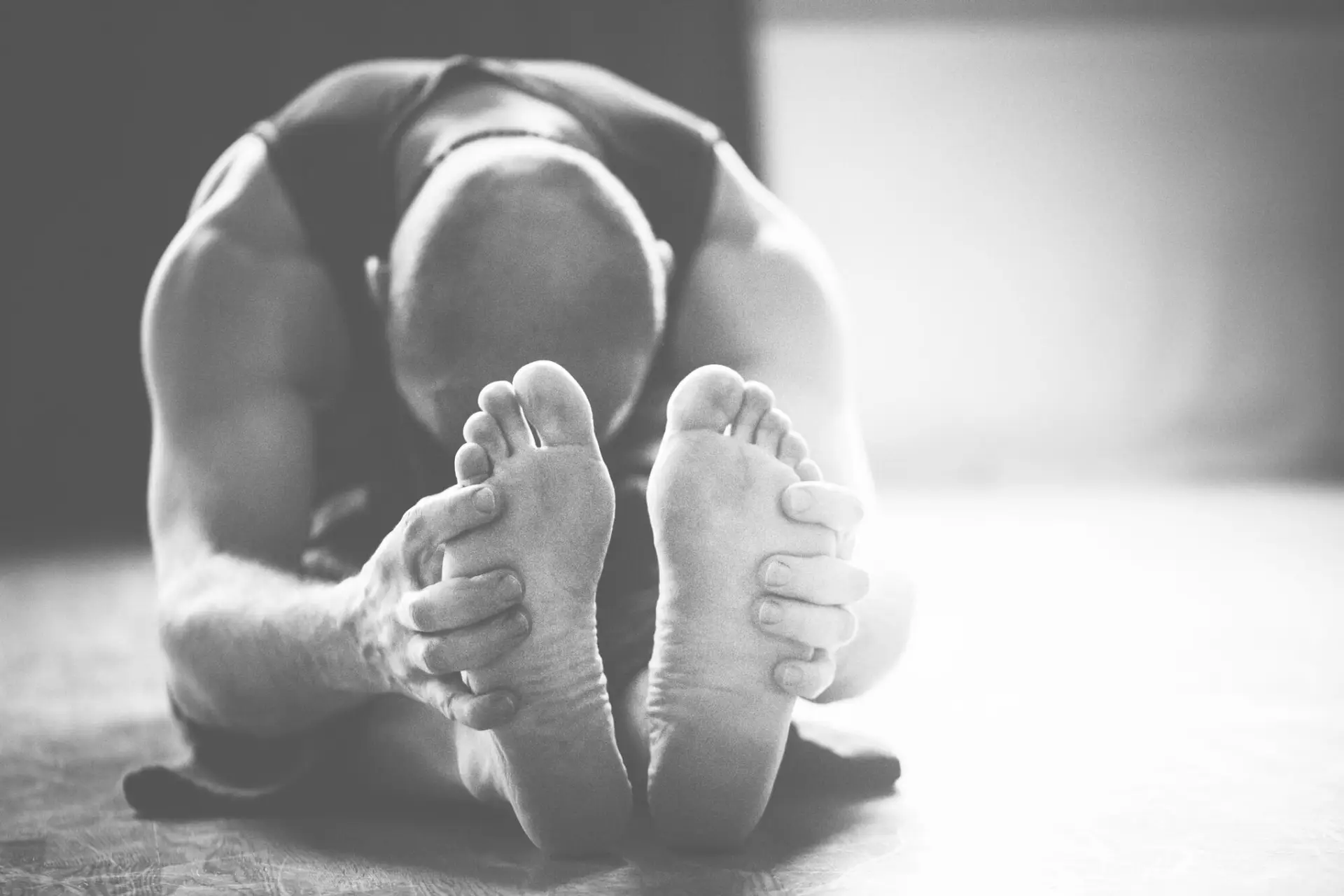
Trauma-sensitive yoga offers a more mindful, choice-led approach to practice. Rather than focusing primarily on how a posture looks from the outside, we pay attention to what is happening from the inside – noticing sensations, breath, effort and ease, and making choices about what feels supportive in the moment. You are encouraged to pause, rest, adapt or simply observe. There is no single shape you need to achieve.
Research suggests that yoga can support wellbeing and may be helpful for some people who have experienced stress or trauma, particularly when practices emphasise safety, choice and body awareness. My own experience has shown me that movement can become a way of reconnecting with the body, building trust and discovering what supports a greater sense of steadiness and presence.
This doesn’t mean the practice is necessarily gentle. We work with intention, exploring movement, strength, mobility and helpful alignment, while remaining curious about how each shape feels in your body, your breath and your nervous system. We explore softening unnecessary tension, receiving support and recognising where healthy boundaries are needed.
This is where the influence of Vanda Scaravelli feels especially important to me. Her approach, beautifully expressed in Awakening the Spine, has a deep respect for individuality, gravity and the body’s own intelligence. She encouraged us to let go of unnecessary effort and discover movement through listening rather than forcing.
Although Scaravelli was not working within the language of modern trauma-informed practice, many aspects of her approach resonate strongly with it: respect for individual experience, attention to sensation, and the freedom to explore rather than impose. There is no ideal shape to chase, but an ongoing conversation between breath, spine, gravity and the ground.
This is the space I am interested in offering through my teaching: a yoga practice informed by anatomy, neuroscience and lived experience, while recognising each person as the expert in their own body. Nothing needs to be forced. We begin with listening — and from there, we explore what becomes possible.
Further reading
Scaravelli, V. (1991). Awakening the Spine. HarperCollins.
Emerson, D. & Hopper, E. (2011). Overcoming Trauma Through Yoga: Reclaiming Your Body. North Atlantic Books.
Emerson, D. (2015). Trauma-Sensitive Yoga in Therapy: Bringing the Body into Treatment. W. W. Norton.
van der Kolk, B. (2014). The Body Keeps the Score: Brain, Mind, and Body in the Healing of Trauma. Viking.
Center for Trauma & Embodiment. Trauma Center Trauma-Sensitive Yoga (TCTSY). Available at: traumasensitiveyoga.com